Table of Contents
Food on the Mardi Himal Trek
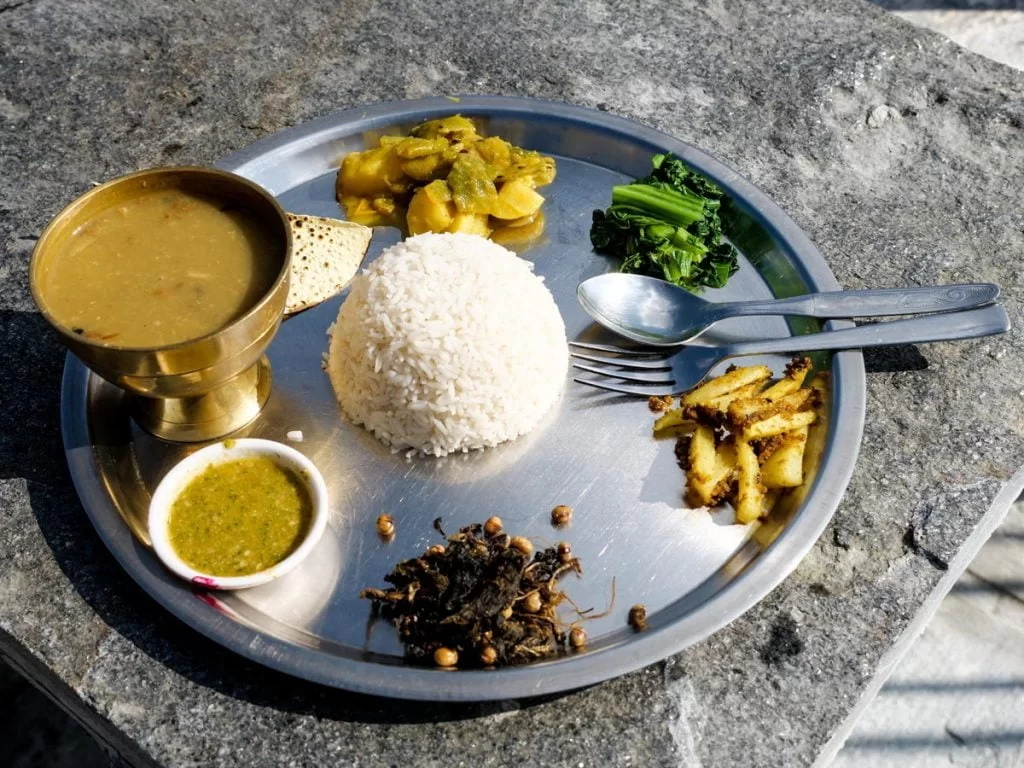
The Mardi Himal Trek in Nepal’s Annapurna region is a journey through breathtaking landscapes, charming villages, and serene ridges, but one of the most delightful aspects of this adventure is the food on the Mardi Himal Trek. The meals served in teahouses along the trail not only fuel trekkers for the demanding days but also offer a taste of Nepali cuisine and the warmth of local hospitality. In this blog, we’ll walk you through a typical day of eating on the Mardi Himal Trek, highlight how the trek enhances your food experience and answer the top five frequently asked questions about teahouse food, with a special mention of the beloved dal bhat for lunch and dinner.
Breakfast: Starting the Day with Energy
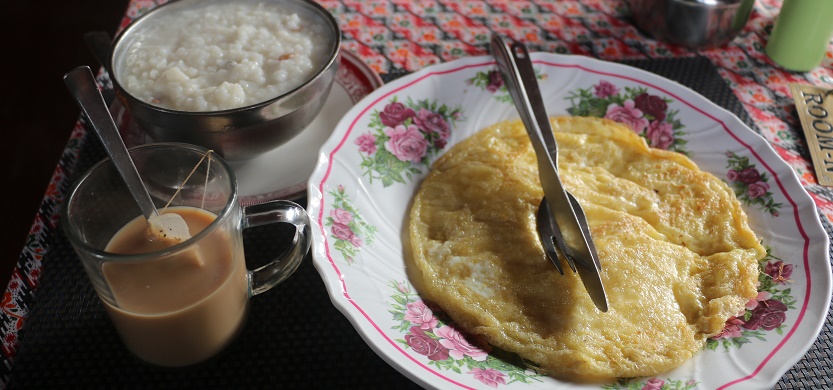
Your day on the Mardi Himal Trek begins early, often with the sunrise casting a golden glow over peaks like Machhapuchhre (Fishtail). Breakfast in the teahouses is hearty, designed to prepare you for hours of walking. A staple of food on the Mardi Himal Trek is dal bhat, a traditional Nepali meal of lentil soup, rice, and vegetable curry, sometimes served even at breakfast. However, teahouses also cater to international trekkers with options like:
- Porridge: A warm, filling choice made from oats or local grains, often topped with honey or fruit.
- Eggs: Scrambled, boiled, or fried, served with toast or Tibetan bread (a dense, fried bread).
- Pancakes: Thick and fluffy, often drizzled with honey or jam, perfect for a sweet start.
At lower altitudes, like Kande or Deurali, you might find more variety, including muesli with yogurt. A cup of masala tea or instant coffee complements the meal, warming you up for the chilly morning trails. Pro tip: Order your breakfast the night before to save time, as teahouse kitchens can be busy in the morning.
Mid-Morning Snack: Quick Fuel on the Go
As you trek from Forest Camp to Low Camp, the trail winds through rhododendron forests and offers stunning views of the Annapurna range. A mid-morning snack is essential to maintain energy. Many trekkers carry lightweight snacks to supplement teahouse food. Popular choices include:
- Energy bars or granola bars, easy to pack and quick to eat.
- Nuts and dried fruits, like almonds or raisins, for a natural energy boost.
- Local snacks, such as roasted corn or dried yak cheese, which you can purchase at teahouses or villages like Siding.
These snacks are crucial because food on the Mardi Himal Trek becomes pricier and less varied at higher altitudes, like High Camp. Bringing your own snacks can also save money, as prices for meals and snacks increase with altitude due to the effort required to transport supplies.
Lunch: A Hearty Break at a Teahouse
By midday, you’ll likely stop at a teahouse in places like Rest Camp or Low Camp for lunch. Lunch is a highlight of food on the Mardi Himal Trek, offering a chance to rest and refuel while soaking in the mountain views. Special Mention: Dal Bhat—this iconic Nepali dish is the star of the lunch menu, featuring lentil soup, rice, vegetable curry, and often a side of pickles or greens. Its high carbohydrate and protein content, along with unlimited refills, makes it a trekker’s best friend for sustained energy.
Other lunch options include:
- Noodle soup: A warm, comforting dish with vegetables and sometimes egg or meat.
- Momos: Steamed or fried dumplings filled with vegetables or meat, a Nepali favorite.
- Fried rice or pasta: Simple dishes with vegetables or a light sauce, catering to Western tastes.
Vegetarian options are widely available, as lentils, rice, and vegetables are staples of Nepali cuisine. Vegan trekkers can also find suitable meals, though it’s wise to confirm ingredients, as dairy like ghee is common. Food hygiene is generally good, but stick to freshly cooked meals to avoid stomach issues. A hot lemon tea or ginger tea pairs perfectly with lunch, aiding digestion and keeping you hydrated.
Afternoon Snack: Staying Energized on the Climb
As you ascend toward High Camp or Mardi Himal Base Camp (4,500m), the air thins, and the trail becomes steeper. An afternoon snack helps maintain stamina. Many trekkers rely on chocolate bars or biscuits, available at teahouses, though prices can be high (e.g., NPR 500 for a small chocolate bar at High Camp). Some teahouses offer local culture-inspired snacks like fried potatoes with chili sauce, which are both tasty and energizing.
Hydration on trek is critical at higher altitudes. Carry a reusable water bottle and use water purification tablets or a filter to refill from teahouse sources, as bottled water is expensive and contributes to plastic waste. Herbal teas, like mint or chamomile, are great for staying hydrated while adding variety to your fluid intake.
Dinner: A Cozy Evening in the Teahouse
After a long day of trekking, dinner in a teahouse at High Camp or Forest Camp is a cozy affair, often enjoyed around a communal fire. Special Mention: Dal Bhat—this beloved dish shines again at dinner, offering the same hearty combination of lentil soup, rice, and vegetable curry, often with slight variations like spicy pickles or local greens. Its warmth and generous portions make it the perfect comfort food after a cold, tiring day on the trail.
Other dinner options include:
- Pizza or pasta: Basic versions made with local ingredients, offering a taste of home.
- Thukpa: A hearty noodle soup with vegetables, perfect for cold evenings.
- Chapati with curry: A lighter option with flatbread and vegetable curry.
Teahouses often encourage trekkers to order dinner early, as preparation can take time in remote locations. For dessert, some teahouses offer apple pie or rice pudding, a sweet treat after a tiring day. Pair your meal with a cup of hot chocolate or masala tea to stay warm. Vegetarian options are abundant, and teahouses are accustomed to accommodating dietary needs—just communicate clearly.
Cultural Connection Through Food
Eating food on the Mardi Himal Trek is more than just sustenance; it’s a window into local culture. Teahouses are run by local families, often Gurungs, who infuse their hospitality into every meal. Sharing dal bhat with fellow trekkers or chatting with the teahouse owner about the day’s journey fosters a sense of community. The simplicity of Nepali cuisine, with its focus on fresh, local ingredients, reflects the sustainable lifestyle of the Annapurna region. For a truly immersive experience, try learning a few Nepali phrases to thank your hosts, like “Dhanyabad” (thank you).
Practical Tips for Food on the Mardi Himal Trek
- Budget for Food: Expect to spend around NPR 1,000–1,500 ($8–12 USD) per day on teahouse food, with costs rising at higher altitudes. Carry enough cash, as ATMs are unavailable on the trail.
- Dietary Needs: Inform teahouse staff about any dietary restrictions (e.g., vegetarian, vegan, gluten-free) when ordering. Vegetarian options are common, but double-check for hidden dairy.
- Hydration on Trek: Drink at least 3–4 liters of water daily to combat altitude effects. Use purification tablets to save money and reduce plastic waste.
- Pack Snacks: Bring energy bars, nuts, or dried fruit to supplement meals, especially at higher altitudes where options are limited.
- Food Hygiene: Opt for freshly cooked, hot meals to minimize the risk of foodborne illness. Avoid raw or uncooked foods like salads.